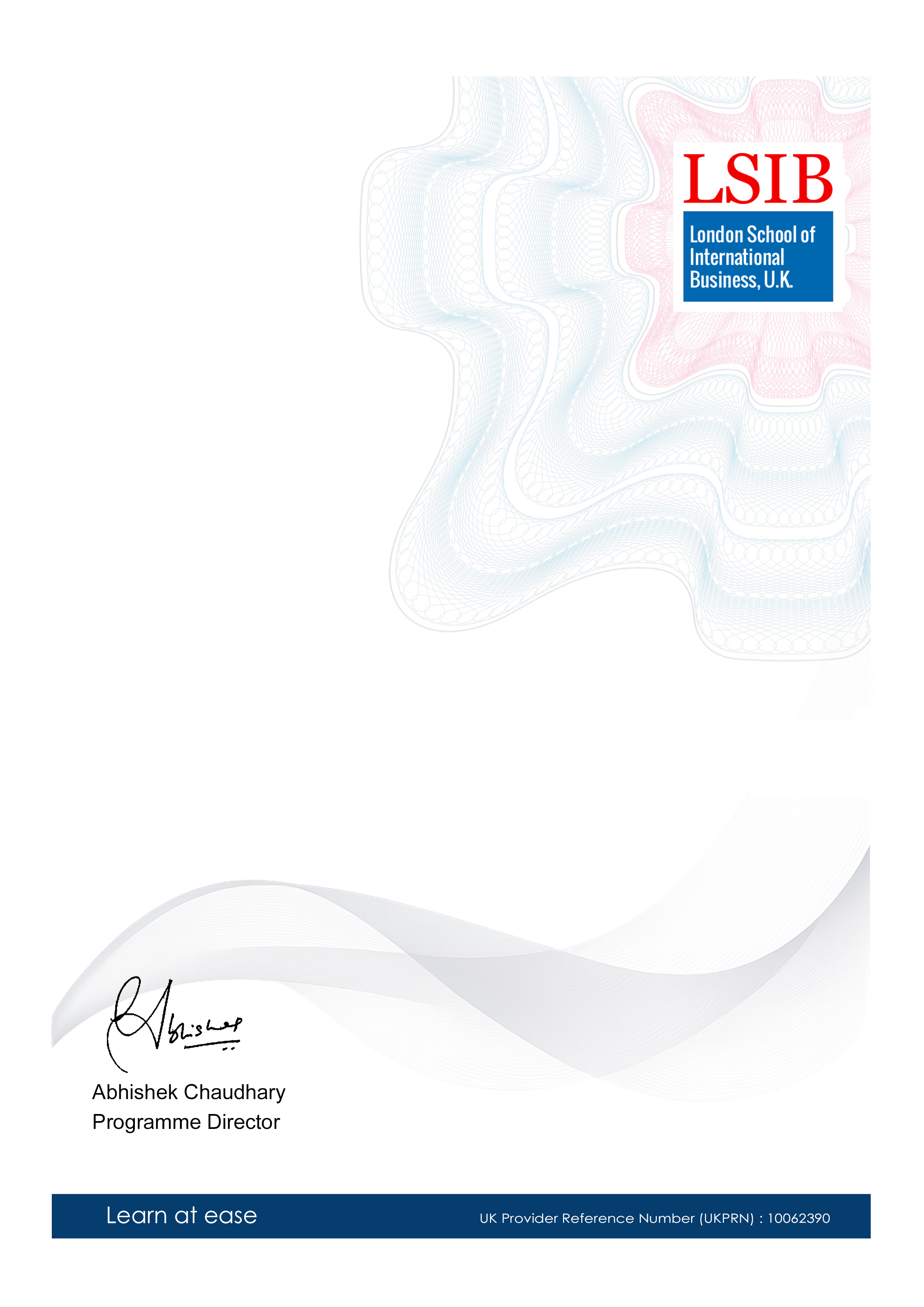
Advanced Certificate in IoT & Smart Mobility Platforms
-- viewing nowThe Advanced Certificate in IoT & Smart Mobility Platforms is a comprehensive course designed to empower learners with essential skills in the Internet of Things (IoT) and Smart Mobility industries. This course is critical in today's digital age, where IoT and Smart Mobility are transforming businesses and societies.
6,391+
Students enrolled
GBP £ 140
GBP £ 202
Save 44% with our special offer
About this course
100% online
Learn from anywhere
Shareable certificate
Add to your LinkedIn profile
2 months to complete
at 2-3 hours a week
Start anytime
No waiting period
Course Details
• Advanced IoT Architecture: Understanding the components and design patterns for building robust IoT systems. This unit will cover device hardware, firmware, communication protocols, and cloud platforms.
• Smart Mobility Platforms: This unit will explore the emerging field of smart mobility, including connected vehicles, autonomous driving, and electric mobility. Students will learn about the various platforms and technologies that enable these systems.
• Data Analytics for IoT: In this unit, students will learn how to collect, process, and analyze IoT data using machine learning and big data technologies. They will also learn how to extract insights from data and use them to make informed decisions.
• Security and Privacy in IoT: This unit will cover the security and privacy challenges in IoT systems, including data protection, access control, and network security. Students will learn about the best practices and standards for securing IoT systems.
• IoT Application Development: Students will learn how to develop applications for IoT systems using popular programming languages and frameworks. This unit will cover the end-to-end development process, from requirements gathering to testing and deployment.
• Wireless Communication for IoT: This unit will cover the various wireless communication technologies used in IoT systems, including Bluetooth, Wi-Fi, Zigbee, and LoRaWAN. Students will learn about the advantages and disadvantages of each technology and how to choose the right one for their application.
• Cloud Computing for IoT: This unit will explore the role of cloud computing in IoT systems, including data storage, processing, and analytics. Students will learn about the popular cloud platforms for IoT, such as AWS IoT, Microsoft Azure IoT, and Google Cloud IoT.
• IoT Standards and Regulations: This unit will cover the various standards and regulations that apply to IoT systems, including those related to interoperability, safety, and environmental sustainability. Students will learn about the importance of compliance and how to ensure their systems meet the relevant standards.
• Human-Computer Interaction for IoT: In this unit, students will learn about the user experience (UX) and user interface (UI) design principles for IoT systems. They
Career Path
Entry Requirements
- Basic understanding of the subject matter
- Proficiency in English language
- Computer and internet access
- Basic computer skills
- Dedication to complete the course
No prior formal qualifications required. Course designed for accessibility.
Course Status
This course provides practical knowledge and skills for professional development. It is:
- Not accredited by a recognized body
- Not regulated by an authorized institution
- Complementary to formal qualifications
You'll receive a certificate of completion upon successfully finishing the course.
Why people choose us for their career
Loading reviews...
Frequently Asked Questions
Course fee
- 3-4 hours per week
- Early certificate delivery
- Open enrollment - start anytime
- 2-3 hours per week
- Regular certificate delivery
- Open enrollment - start anytime
- Full course access
- Digital certificate
- Course materials
Get course information
Earn a career certificate